


VDS vs VPS: Which One Is Right for You? A Detailed Comparison
We compare VDS and VPS servers across resource isolation, performance, price, and use cases — with concrete examples to help you choose.

When renting a virtual server, you’ll run into two options: VPS (Virtual Private Server) and VDS (Virtual Dedicated Server). The names sound similar and it’s confusing — but performance, pricing, and the projects they suit differ significantly. This post breaks down the comparison and tells you which to choose.
The core difference: resource sharing
VPS — CPU and RAM resources on the same physical server are shared by multiple customers. You get a “guaranteed” amount, but if your neighbour’s server is hammering the box, you’ll compete for CPU cycles. The industry calls this the noisy neighbour problem.
VDS — CPU cores and RAM are dedicated entirely to you. Other customers’ load doesn’t reach your server. Performance is the same hour after hour.
Simple analogy: VPS is an apartment (water pressure depends on neighbours), VDS is a detached house (your own water tank).
Performance comparison
| Criterion | VPS | VDS |
|---|---|---|
| CPU resources | Shared | Fully dedicated |
| Performance consistency | Variable | Steady |
| Disk type | Usually SSD | NVMe SSD (typically) |
| Under heavy load | Can slow down | Stays stable |
| RAM | Guaranteed + burst | Fixed, guaranteed |
By design, VDS is far better suited for database-heavy, highly concurrent, or real-time applications.
Price difference
VPS is naturally cheaper because resources are shared. Rough monthly ranges:
- VPS: $5–20/month
- VDS: $15–60/month (entry level)
But price alone is misleading. If your site has performance problems, the cost of a “cheap” VPS comes back to you as lost customers.
Which scenario fits which?
VPS is enough for:
- Low-traffic WordPress / corporate sites
- Development / staging environments
- Hobby projects, personal blogs
- A single small Telegram bot
- Monthly visitors < 10,000
VDS becomes necessary for:
- E-commerce sites — campaign days produce traffic spikes
- Game servers (Minecraft, FiveM, CS, etc.) — low latency is critical
- High-traffic WordPress (10K+ visitors/day)
- Database-intensive apps (MySQL, PostgreSQL, Redis)
- API servers — high concurrent request count
- Discord bots with many users (thousands of servers)
- Trading bots, crypto bots — milliseconds equal money
The 3 biggest VDS advantages
- Predictable performance — same speed at the same hour tomorrow
- Root access + full control — install whatever software you need
- Resource isolation — another customer’s attack or load won’t affect you
When should you upgrade from VPS to VDS?
If you’re seeing these warnings, it’s time to switch:
- “CPU usage limit exceeded” emails
- Site slows down during peak hours
- You can’t run plugins / cron jobs
- You need full privileges like SSL setup, SSH access
- Your database has crossed 1 GB and queries are slowing
Conclusion
Short answer: if stability and performance matter, choose VDS; if entry budget is the priority, VPS.
But don’t forget — the extra $10–30 you spend on VDS pays for itself many times over in customers you don’t lose. Especially for e-commerce, gaming, and high-traffic projects, VDS isn’t a luxury — it’s a necessity.
KavesNET delivers Intel Xeon Gold-powered VDS servers with Turkey’s fastest NVMe SSDs and 10 Gbps symmetric connectivity, in about 1 minute. Browse our VDS plans →
Still unsure? Reach out via the contact form and we’ll recommend the right fit for your project.
Related Posts
You might also like these.
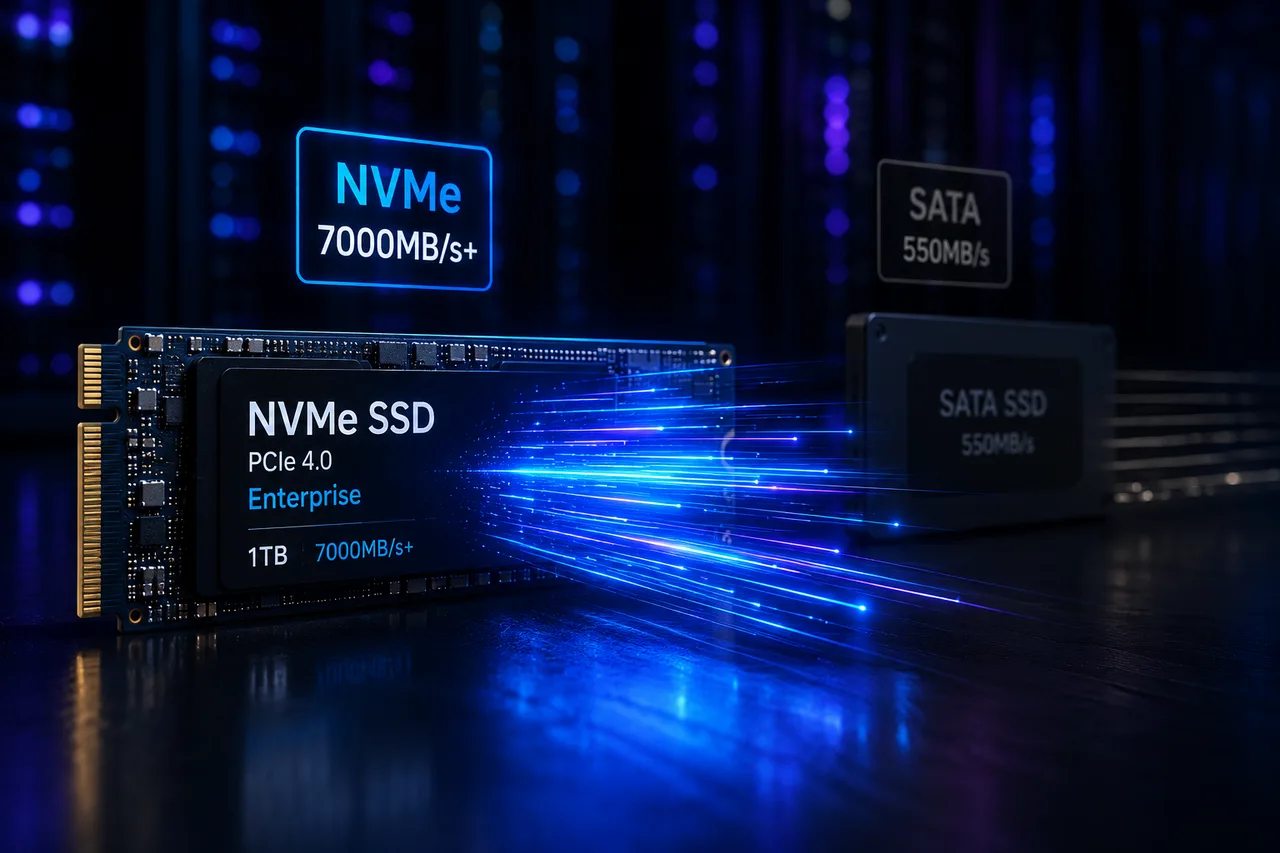
What Is NVMe SSD? Its Impact on Server Performance (vs SATA SSD)
What is NVMe, and how does it differ from SATA SSD? IOPS, latency, and real-world numbers showing why NVMe is now the server standard.
Read More
What Is a Dedicated Server? Who Actually Needs One?
What is a dedicated server, how does it differ from a VDS, and when is it a must? Advantages, costs, and the co-location alternative — all in this guide.
Read More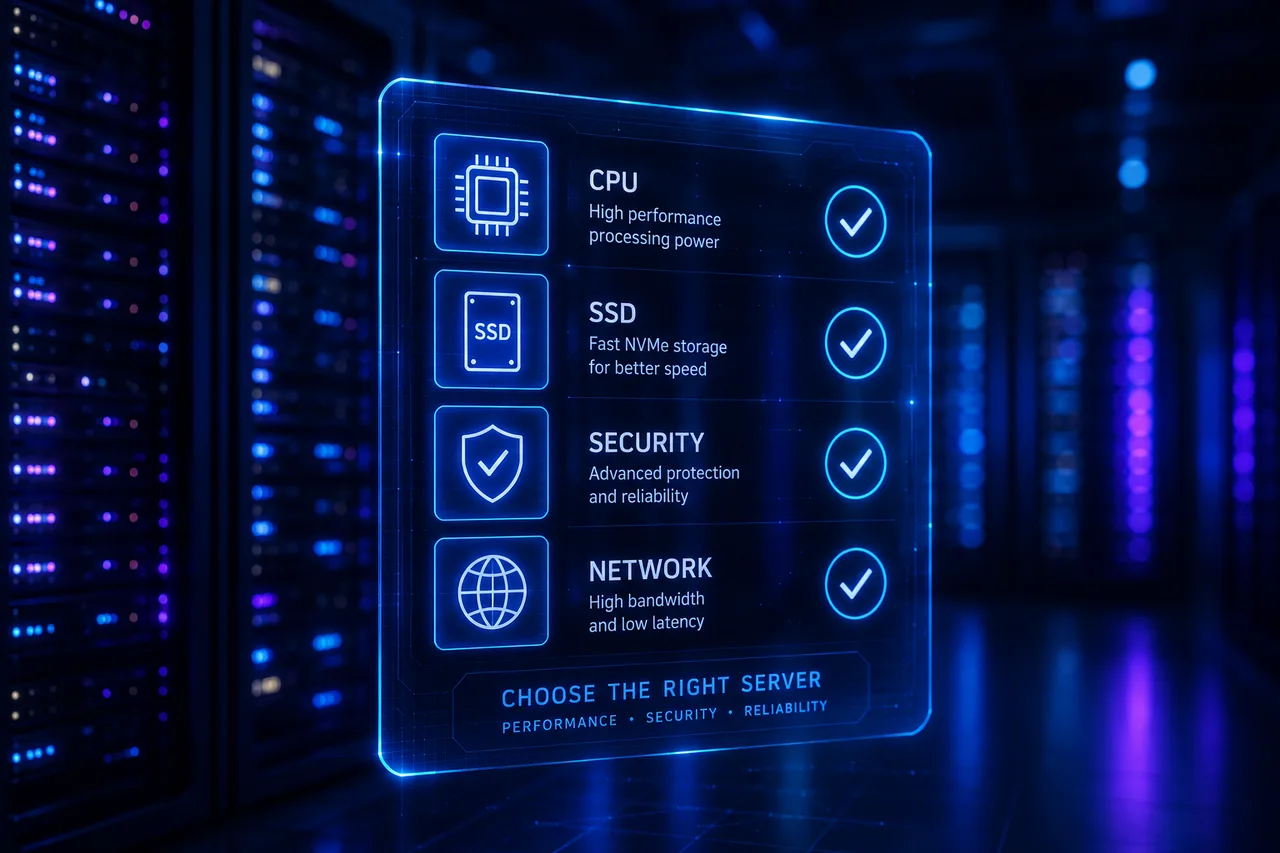
VDS Rental Guide: 10 Criteria to Check Before You Order
From CPU model to disk type, DDoS protection to backups — the 10 criteria to verify before renting a VDS, explained one by one. Don't pick the wrong plan.
Read More