August 7, 2026 KavesNET Team
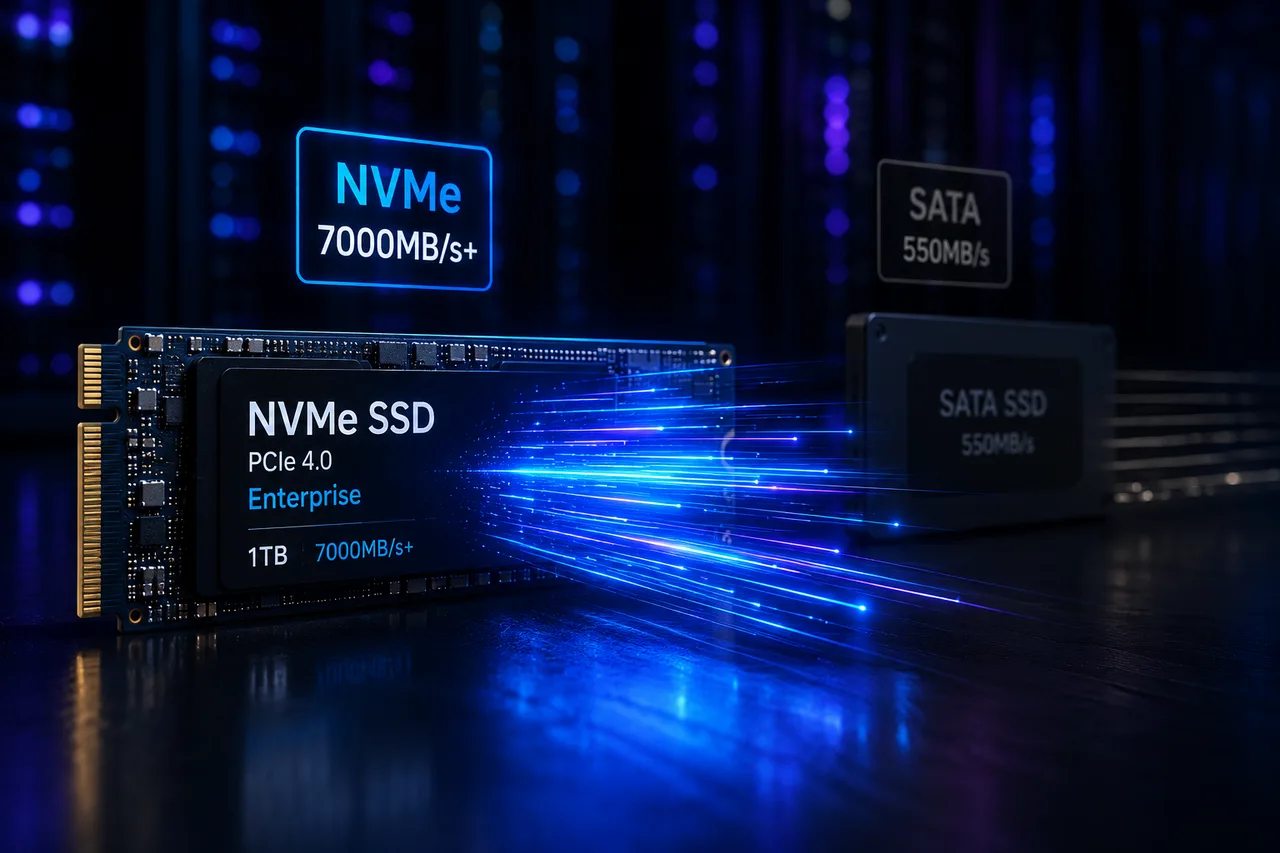
What Is NVMe SSD? Its Impact on Server Performance (vs SATA SSD)
What is NVMe, and how does it differ from SATA SSD? IOPS, latency, and real-world numbers showing why NVMe is now the server standard.
Read More
See Plans
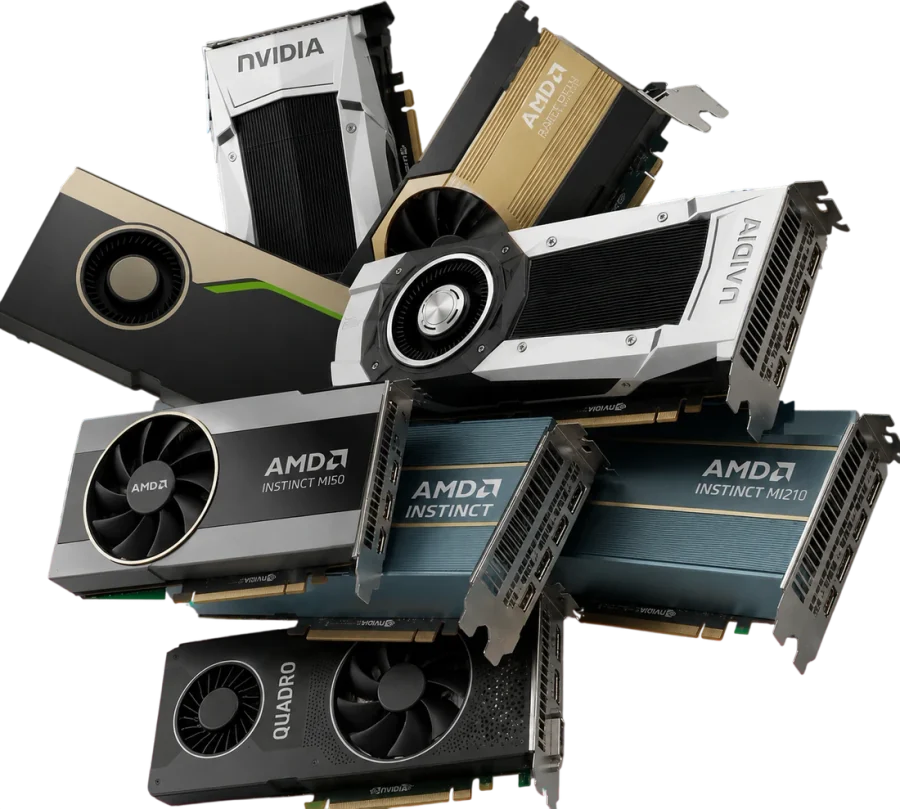
Servers equipped with NVIDIA RTX A series professional graphics cards. They take over where the CPU falls short in model training, inference, video processing and 3D rendering.
A4000, A5000 and A6000 options
GDDR6 ECC card memory
Fast data preparation
Rapid access to datasets
Payment Period
Choose a longer term to save more
| Server | CPU | Memory | Disk | PORT/SPEED | IP Address | Price | |
|---|---|---|---|---|---|---|---|
Dedicated 12  | AMD Ryzen 7 9700X 8C/16T - 3.8 GHz/5.5 GHz | 32 GB (Max. 256 GB) DDR5 ECC RAM | 1 TB (Max. 4 TB) NVMe SSD | 1 Gbps Upgradeable | RTX A4000 16 GB GDDR6 ECC | 9,000 ₺ Monthly | Place Order |
| Dedicated 13 | AMD Ryzen 9 9900X 12C/24T - 4.4 GHz/5.6 GHz | 32 GB (Max. 256 GB) DDR5 ECC RAM | 1 TB (Max. 4 TB) NVMe SSD | 1 Gbps Upgradeable | RTX A5000 24 GB GDDR6 ECC | 18,000 ₺ Monthly | Place Order |
| Dedicated 14 | AMD Ryzen 9 9950X 16C/32T - 4.3 GHz/5.7 GHz | 32 GB (Max. 256 GB) DDR5 ECC RAM | 1 TB (Max. 4 TB) NVMe SSD | 1 Gbps Upgradeable | RTX A6000 48 GB GDDR6 ECC | 40,000 ₺ Monthly | Place Order |
9,000 ₺
Monthly
18,000 ₺
Monthly
40,000 ₺
Monthly
Graphics cards work with thousands of cores at once. On matrix heavy operations they are many times faster than a CPU.
Up to 48 GB of GDDR6 ECC memory lets you fit large models and high resolution scenes onto a single card.
The GPU is never partitioned or shared. Its full capacity is reserved for your workload.
Install CUDA, PyTorch, TensorFlow or your render engine yourself and pick the driver version you need.
NVIDIA RTX A series cards, large card memory and hardware nobody shares.
A4000, A5000 and A6000 options are available. Professional series cards are designed to run at full load for long periods.
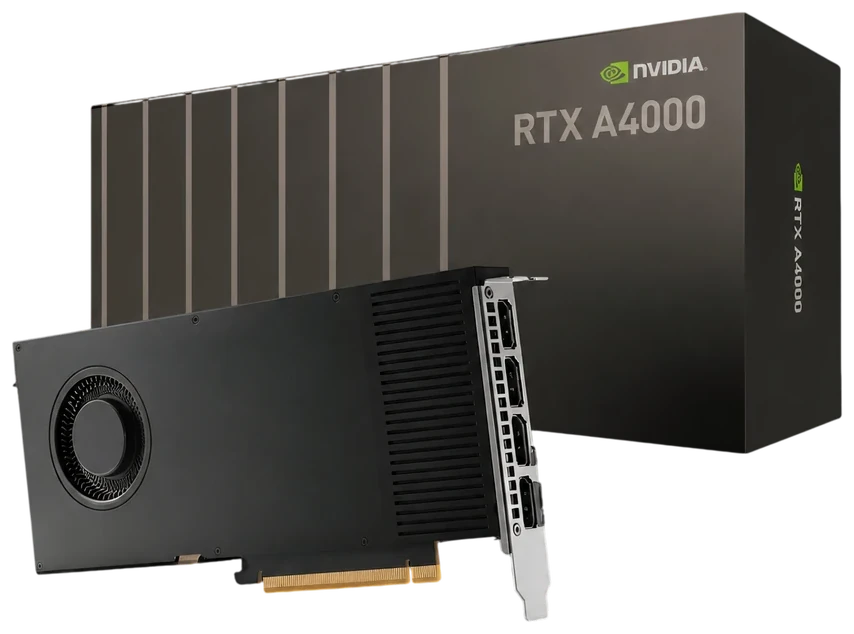
Latency free access to your datasets. Training and rendering jobs never wait on disk, and capacity configures up to 4 TB.
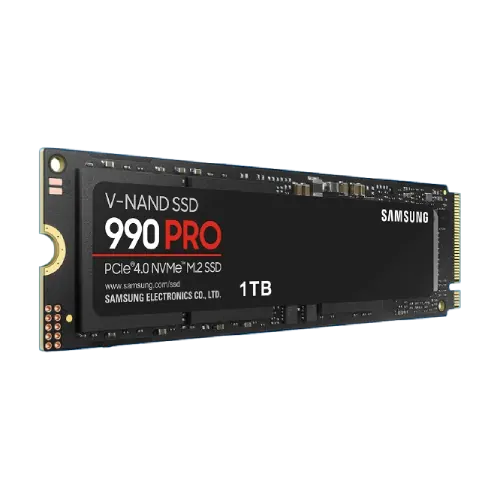
The processor, memory, storage and graphics card are reserved for a single customer. The card is never partitioned or shared, and you decide the driver version and setup.
Here you can find the most frequently asked questions from our customers about our services, products, and how we operate. Along with their answers.

AI model training and inference, video encoding, 3D rendering and scientific computing. Graphics cards are far more efficient than CPUs on these workloads.
Card memory decides. A4000 suits small and mid sized models, A5000 fits larger models and high resolution rendering, and the 48 GB A6000 handles the heaviest workloads.
The server is entirely yours, so you choose driver and library versions. Our support team can help during setup.
No. The card sits physically in your server and is never shared with another customer.
Custom configurations are available on request. Talk to our support team and we will plan the right hardware.
RTX A series cards can be passed through to a virtual machine. The card is assigned to one machine and is not partitioned across several.
For training, card memory decides, so large models need an A5000 or A6000. For inference, if the model already fits, an A4000 covers most scenarios.
The server ships with the operating system ready, and you choose the driver and CUDA version. If your project depends on a specific version, ask support during setup.
Hardware faults are handled by us. After diagnosis the card is replaced and your data disks are not affected.
You might also like these.
What is NVMe, and how does it differ from SATA SSD? IOPS, latency, and real-world numbers showing why NVMe is now the server standard.
Read More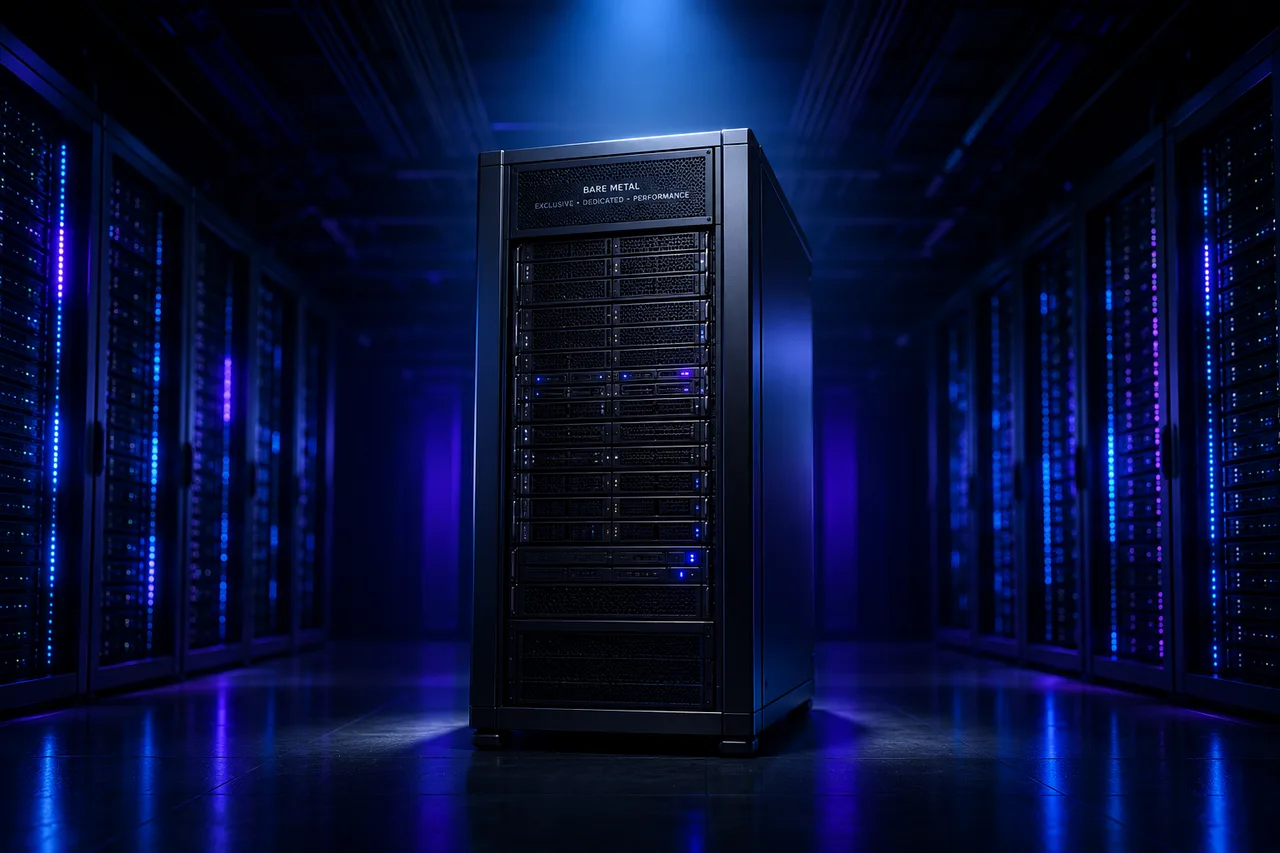
What is a dedicated server, how does it differ from a VDS, and when is it a must? Advantages, costs, and the co-location alternative — all in this guide.
Read More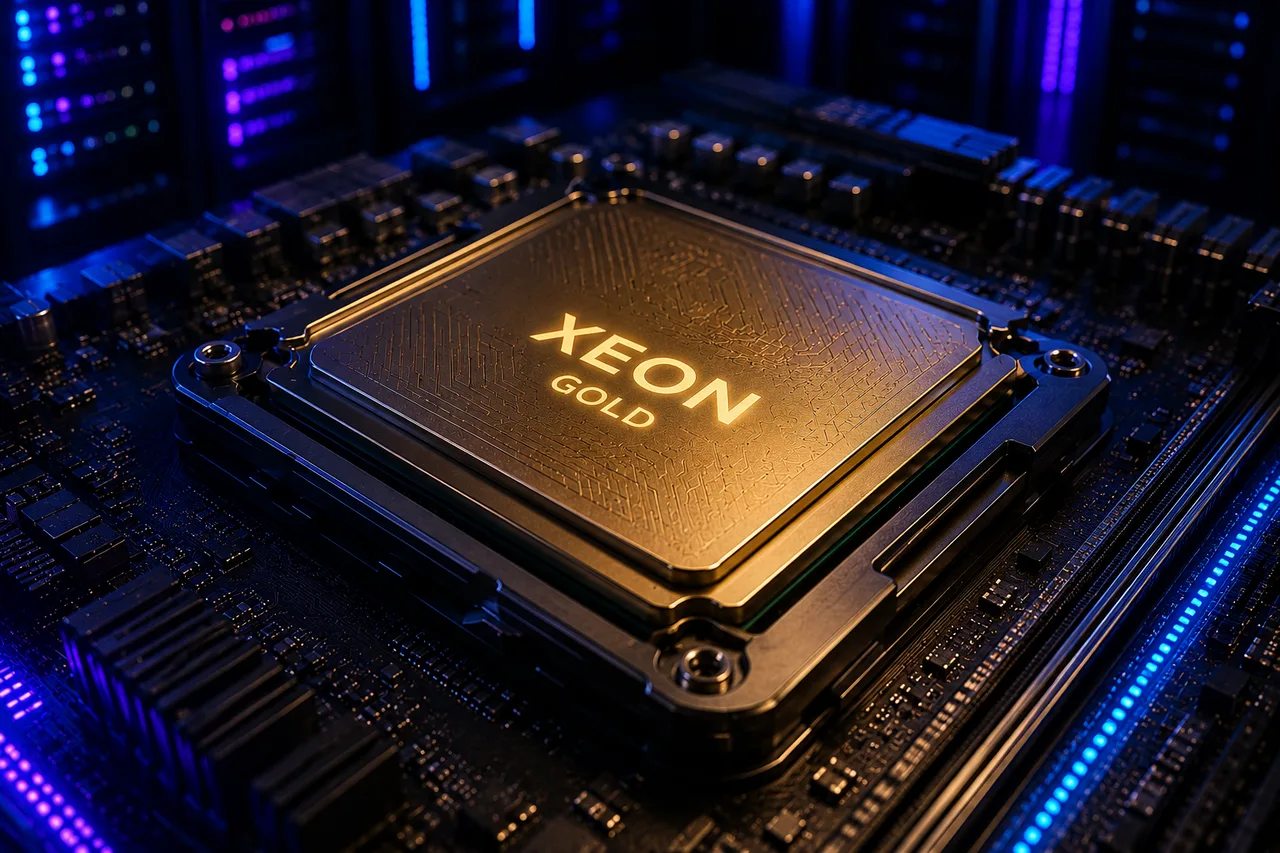
The Intel Xeon family explained: what sets Xeon Gold apart, why ECC RAM matters, and how Xeon compares to desktop CPUs (i9, Ryzen) for server workloads.
Read More
We are with you at every step, from setup to daily operations. Reach us by phone, email or the support panel.